Mold Remediation in Fort Collins, Even in a Dry Climate
Mold remediation in Fort Collins surprises people who assume the dry air outside keeps it away. Mold doesn't need humid weather; it needs a wet material, and a basement that took on water or a wall with a slow leak provides that. We remove the growth and the moisture behind it.
Ring (970) 555-0120 and we'll come take a look.
Prefer to talk? (970) 555-0120
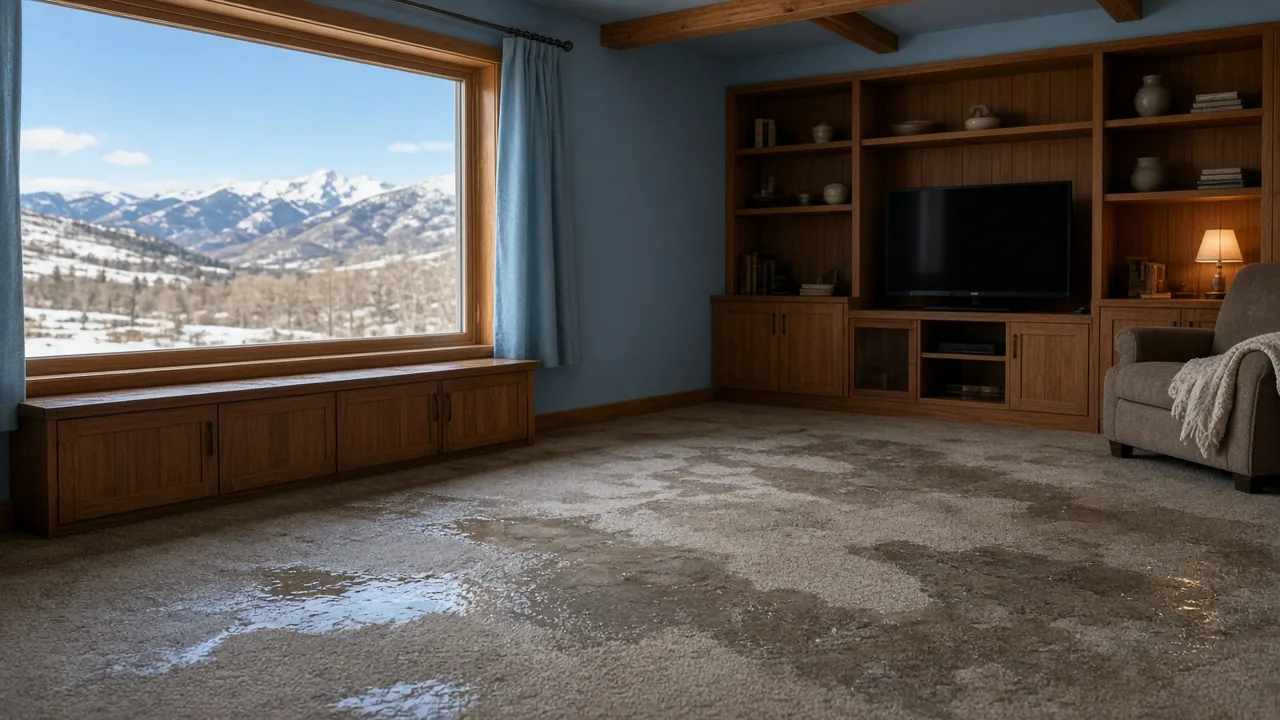
Where It Starts
- finished basements that flooded and weren't fully dried
- drywall behind a leaking supply line or toilet
- attic sheathing under hail-damaged roofing
- carpet and pad over a damp slab
- window wells and frames where water collected
City flood guidance advises drying out a home as quickly as possible after a flood to prevent mold. That's the single most important step.
What Remediation Involves
- Moisture search. Meters and thermal imaging locate wet materials.
- Containment. Plastic sheeting and negative air pressure isolate the work area.
- Removal. Moldy drywall, insulation and carpet are bagged and removed.
- Cleaning. Framing and surfaces get HEPA-vacuumed, then damp-wiped.
- Drying. Dehumidifiers bring everything back to normal readings.
- Rebuild. After the water source is fixed.
What You Can Clean Yourself
The EPA considers mold growth covering less than about 10 square feet a job most homeowners can do. Protect yourself with an N-95 respirator, gloves and goggles. Scrub hard surfaces with detergent and water and let them dry completely. Moldy carpet, ceiling tiles and other absorbent materials may need to be discarded.
Prevention
- Dry leaks and spills within 24 to 48 hours, as EPA recommends.
- Keep indoor humidity under 60 percent; EPA says 30 to 50 percent is best.
- Extend downspouts and raise window-well edges, as the City advises, so the basement stays dry.
- Fix roof damage quickly after hail.
A wet basement is the most common starting point; see Fort Collins basement flooding. For everything else, go to our Fort Collins water damage home page.
Frequently asked questions
Can mold grow behind a finished basement wall?
Yes, especially if water got under the bottom plate. A meter and thermal camera can find it without demolition.
Do I need air testing?
Usually not if growth is visible.
Is mold in an attic a roof problem?
Often. Leaks or poor ventilation are the usual causes.